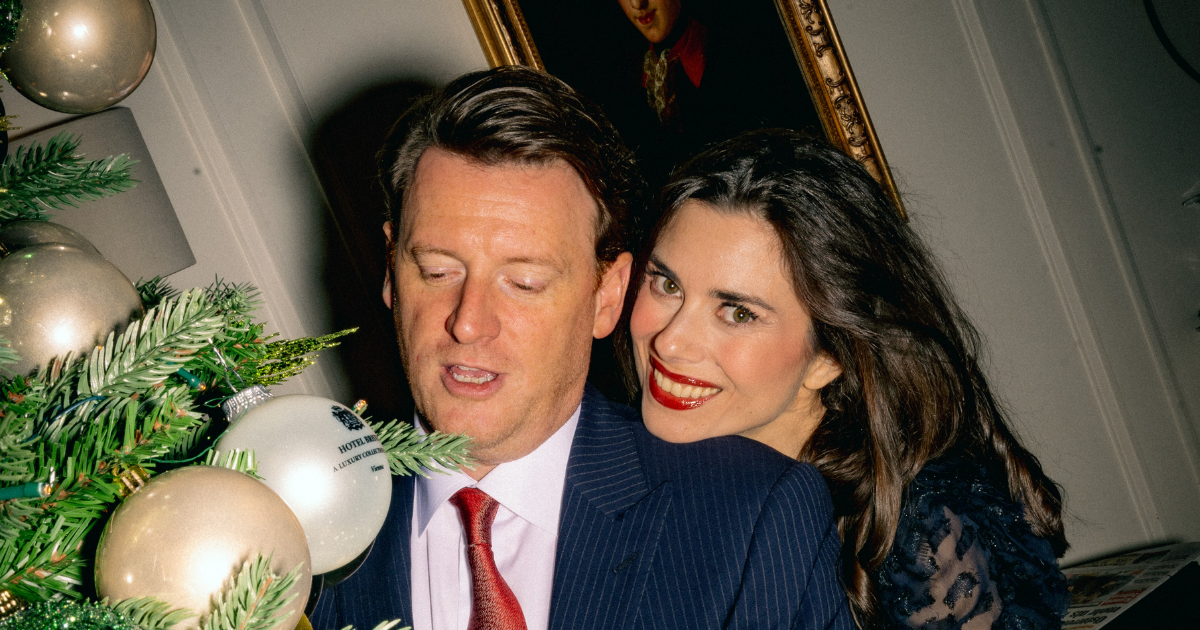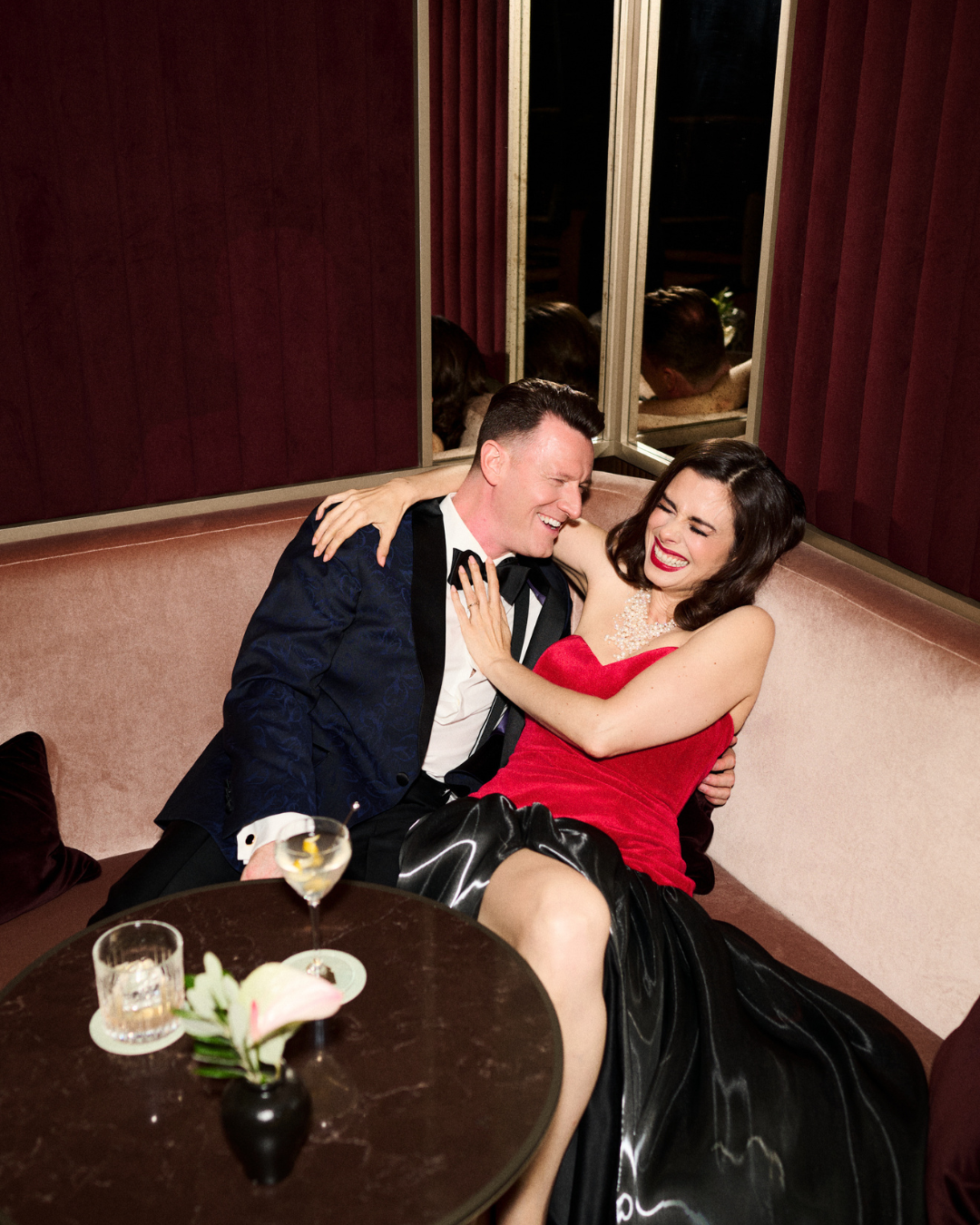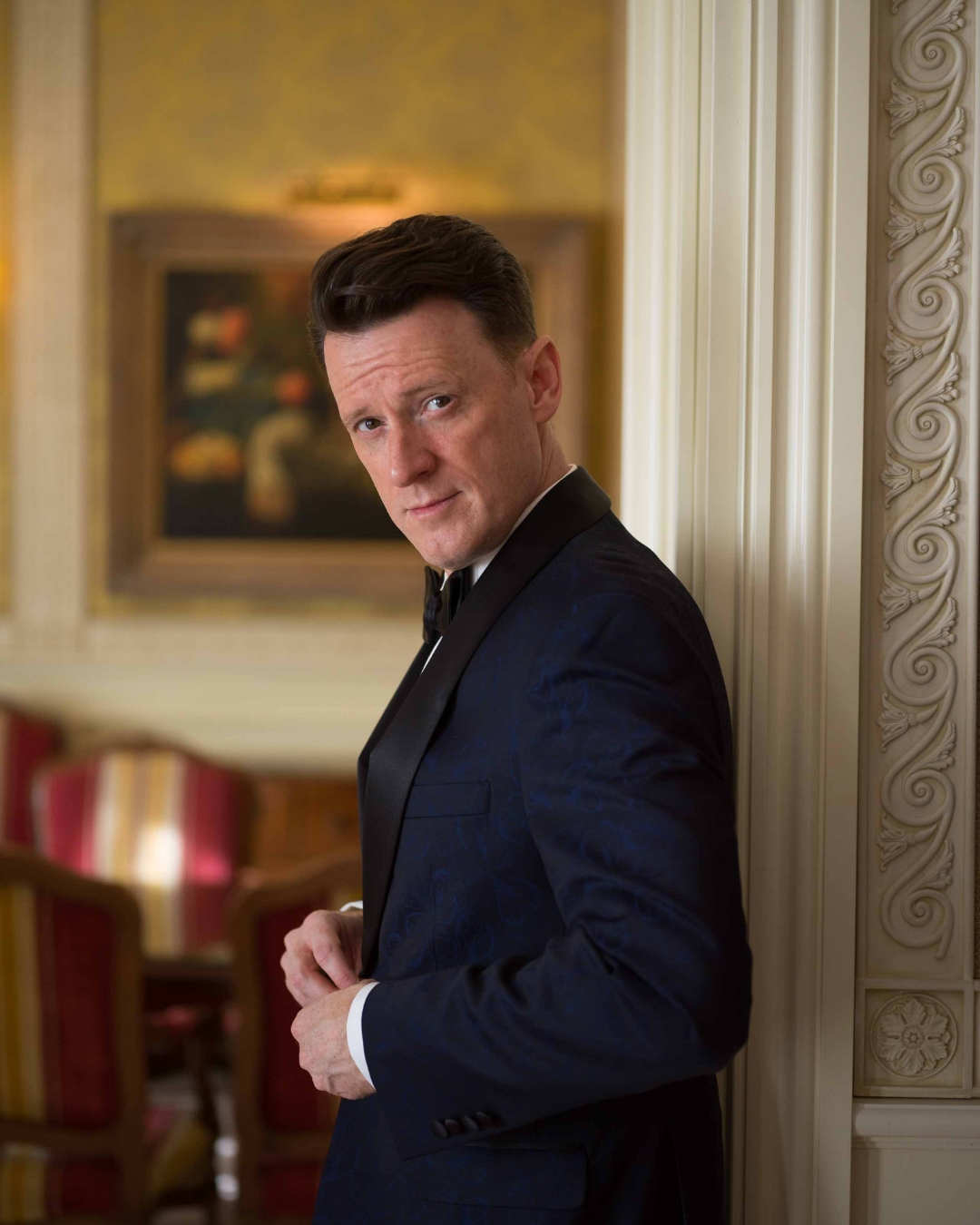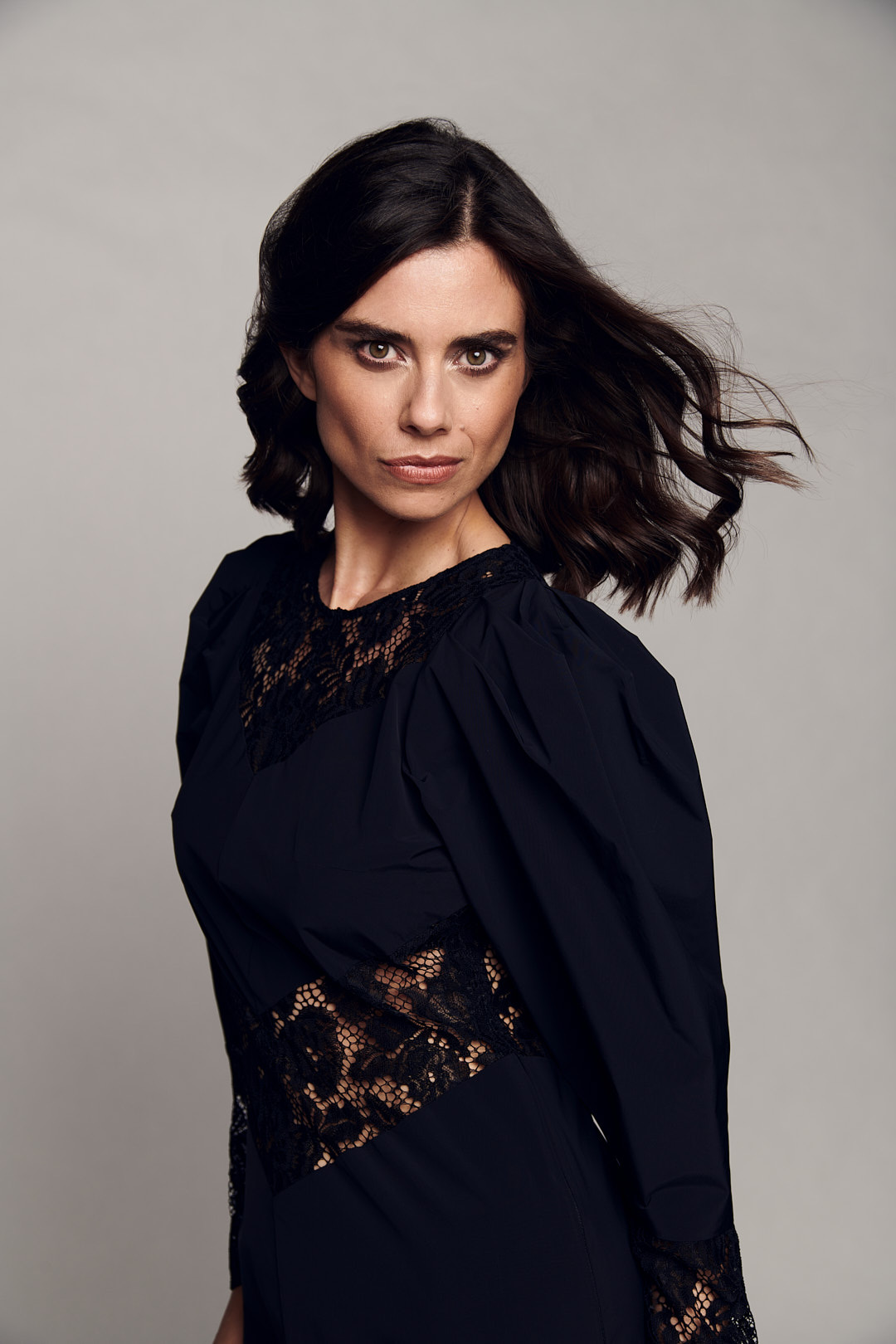
Living Opera Music artist Soula Parassidis was featured in Marie Claire Greece with a new op-ed responding to recent comments by Timothée Chalamet about opera and ballet.
The reaction to his comments showed that opera is not a forgotten art form. People still debate it, defend it, and argue over its place in contemporary culture. Parassidis used the moment to make a sharper point: opera has been declared dead for centuries, yet it continues to survive.
The op-ed does not ignore the challenges facing classical music. Parassidis points to recent cultural budget cuts in Vienna and Berlin, including reductions affecting museums, opera houses, and cultural programming.
Her argument is not that opera is disappearing. It is that the traditional model supporting opera, especially the European model built around public subsidy, is under strain. The art form remains powerful, but the institutions around it need to adapt.
Parassidis also connects the debate to artificial intelligence. While many creative industries are now confronting the possibility of synthetic voices, likenesses, and performances, opera and ballet depend on something harder to automate: the live body and the live voice.
Opera is built on breath, risk, endurance, and presence. A singer performing Verdi in real time offers something fundamentally different from a generated performance. The value comes from the fact that the audience witnesses something unfolding live, with no safety net and no edit button.
Read the op-ed here.